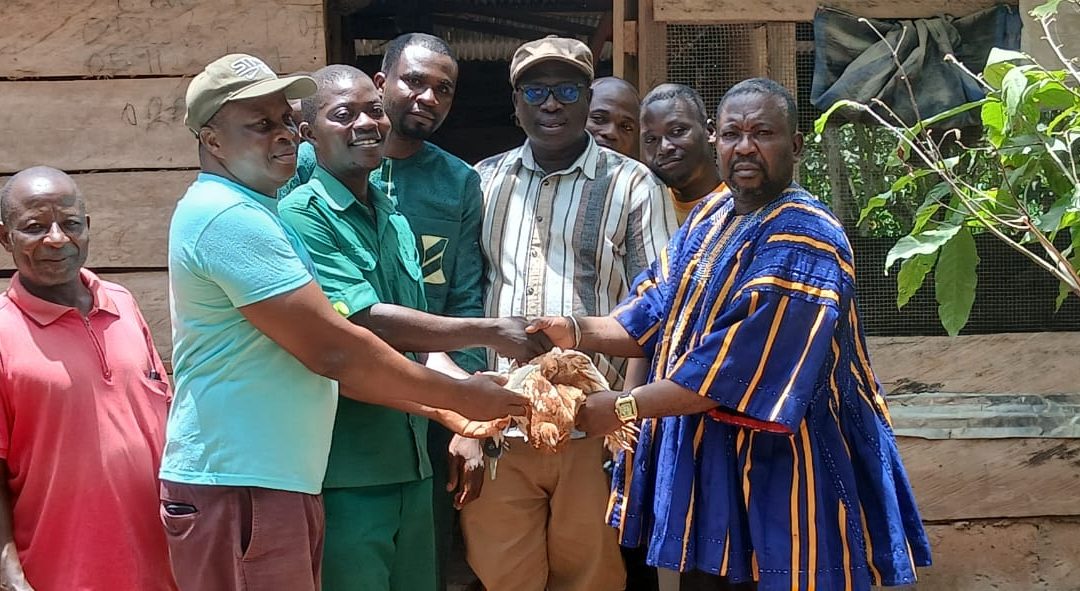
In a move towards enhancing household nutrition, driving rural economic growth, and boosting national poultry self-sufficiency, the Bia East District Assembly, in coordination with the Department of Agriculture, has facilitated the distribution of day-old chicks, feed, and logistics to beneficiaries across the district under the government’s flagship “Nkoko Nkitinkiti” National Broiler Programme.
The distribution exercise forms part of governments efforts to revamp Ghana’s poultry value chain, reduce reliance on imported frozen poultry, and provide sustainable income-generating opportunities for local households, women, and youth in rural communities.
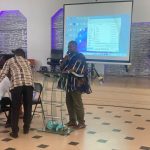
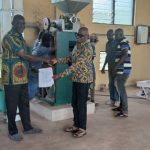
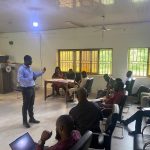
The official presentation ceremony took place at, Nkwantakese in the Yankwaa electoral area bringing together officials from the District Department of Agriculture, staff of the Assembly, traditional leaders, Political parties and hundreds of local beneficiaries from various communities. Selected farmers and households received healthy day-old broiler chicks along with starter feed to support the initial growth phase. Whiles, officers from the District Agricultural Extension Unit provided practical orientations on coop construction, biosecurity protocols, feed management, and disease prevention to ensure maximum bird survival and production yield.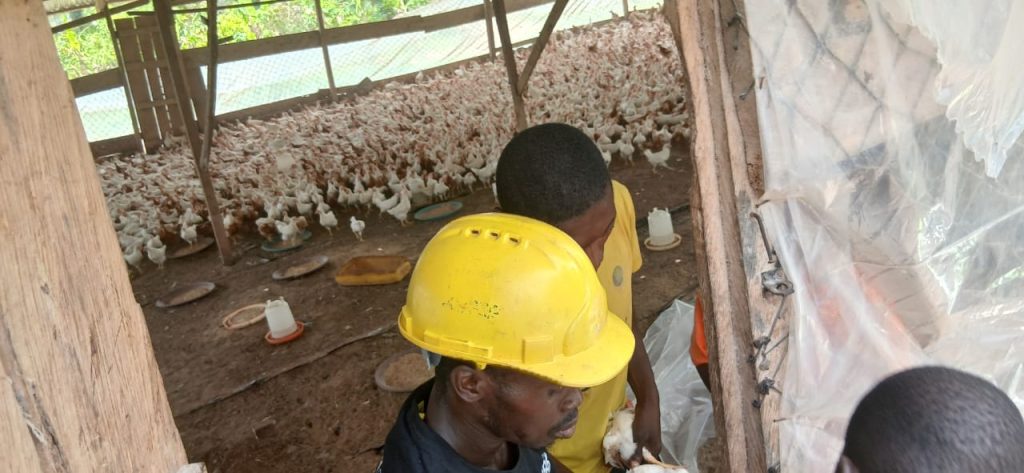
The distribution targeted local smallholder farmers, women entrepreneurs, youth groups, and vulnerable households, empowering them to transition from subsistence farming to commercial poultry production.
In a brief address by the Hon. DCE, he stated that “The ‘Nkoko Nkitinkiti’ initiative brings real agricultural development straight to the households of Bia East. By empowering our local farmers with birds, feed, and technical know-how, the Assembly is helping to build a self-reliant livestock economy, improve nutrition, and create viable incomes for our families.”
Beneficiaries expressed their gratitude to the government and the Bia East District Assembly for bringing the livestock empowerment scheme directly to their communities. Many noted that the inputs would serve as a crucial launchpad for expanding their household incomes and commercial livestock ventures.